The Room Does the Talking: Making Space for Wedding Speech Reactions
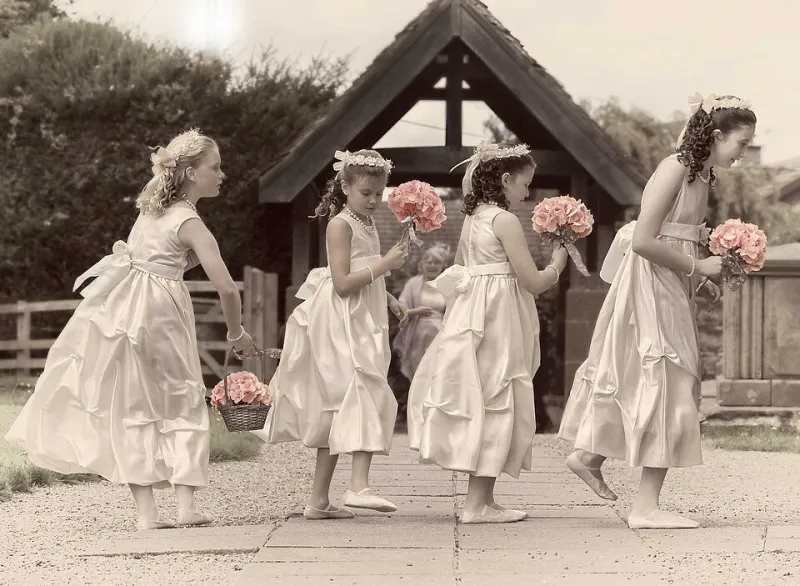
Photo: Lies Thru a Lens, CC BY 2.0, via Wikimedia Commons
Wedding speeches are a funny bit of theatre. There is a microphone, a nervous speaker, a folded piece of paper and a room full of people who have either been warned about the content or are quietly hoping for it. From the outside, it looks like the speech is the main event. From behind a camera, the story is happening all around it.
The speaker gives you the words. The guests give you the plot. A father of the bride laughing at his own joke before he has finished it. A best man’s mate doing that silent wheeze that only happens three pints in. A grandmother dabbing an eye while insisting there is something in it. Those are the frames that tend to survive the first cull, long after the formal portrait of the speaker has been filed away.
The top table is not the whole table
A lot of speech planning focuses on who is speaking and how long they will take. Fair enough. But where everyone is sitting matters just as much if you want the room to feel alive in the photographs.
If the top table is pushed too far back, or tucked behind a pillar, or arranged so the speaker is facing a wall of profiles, the reactions get harder to see. That does not mean you need a theatrical set-up. It means thinking about sightlines. Can the grandparents see the speaker? Are the children low enough to be out of the way but still part of the room? Are the guests on the far side of a long table craning their necks?
Round tables are sociable and forgiving, but half the room will have their backs to the speaker at any one time. Long tables can work beautifully in a barn or village hall, but they need a bit of angle so faces are not hidden behind the person in front. If you are lucky enough to have a choice, sit the people who are most likely to react — the ones who will cry, laugh, or look horrified on cue — where they can be seen. Not for the camera. For the room. The photographs follow.
Light is half the guest list
In the UK, speech lighting is often a compromise between a venue that wants atmosphere and a room full of people who want to see their dinner. Warm bulbs, candles, a marquee at dusk, a hotel function room with the blinds down — it can all look lovely and still leave half the guests in shadow.
The tricky version is a speaker under a tight spotlight while everyone else sits in gloom. It looks dramatic for about ten seconds and then it turns the audience into silhouettes. If you are planning speeches after the meal, ask the venue what the lighting will be doing. Can the room stay a little brighter for twenty minutes? Can the uplighters behind the top table be turned down so they are not glowing straight into the lens?
If speeches happen earlier, in daylight, watch out for windows behind the guests. A bright window will turn a laughing face into a silhouette faster than any lighting rig. Side light is kinder. A photographer can work with most things, but a room that is lit only from behind is hard work for everyone.
The pause after the punchline
Timing is not just about how long Uncle Alan has been holding the floor. It is about the gaps. The second after a punchline, when the room breaks and then settles, is where a lot of the good stuff happens. People look at each other. Someone covers their face. Someone else mouths a silent wow. A hand reaches for a tissue.
If the speeches are squeezed between courses, those pauses can get swallowed by waiting staff clearing plates or a DJ testing the sound system in the next room. It is worth asking the venue to hold service for the duration. Not because speeches need a grand theatrical hush, but because the clatter of fifty dessert spoons is a hard thing to compete with, both for the speaker and for the photographs.
Please do not play to the camera
The fastest way to lose the real reaction is to ask for it. If the speaker starts saying, look at the photographer, or the best man announces that everyone should do a big laugh for the camera, the room changes. People perform. The result is a set of photographs that look like a corporate team-building exercise.
The better approach is to forget the camera is there. Speak to the room. Look at the person you are talking about. Let the guests react how they react. A good documentary photographer will be moving quietly at the edges, picking up the faces while the attention is elsewhere. The moment someone notices the lens, the moment is usually gone.
Nerves, notes and the odd wobble
Not every speech goes to plan. That is part of the charm. The best man unfolding four pages of A4 like a legal document. The father of the bride putting on glasses he swore he would not need. The groom putting a hand on the bride’s shoulder while his brother gets a bit wobbly. The room’s response to those small human moments is often more moving than the polished lines.
So if you are speaking, do not worry about a perfect delivery. The guests are on your side. They are not watching for a stumble; they are watching because they care. And if you are the one getting married, try not to spend the speech worrying about how it will look in photographs. The photographs will look better if you are actually listening.
What to brief and what to leave alone
Tell your photographer the useful practical things. If a grandparent is hard of hearing and needs to be near the front, say so. If there is a surprise guest or a speech that might get emotional, a quiet heads-up helps. If the venue is going to dim the lights or move the furniture, mention it.
What you do not need to do is choreograph the room. You cannot schedule a tear or a belly laugh. You can only make it easier for them to happen: good sightlines, decent light, a little breathing room around the timing, and a photographer who knows when to stay out of the way.
After the last laugh
The speech ends, the room claps, chairs scrape back and someone makes a beeline for the bar. Those are good minutes too. The bride hugging her dad. The best man being thumped on the back. The mother of the groom quietly collecting the empty glasses. The room does not stop telling the story just because the microphone has been switched off.
That is the thing about speeches. The person with the notes is only ever half of it. The rest is written on the faces of everyone watching. Give those faces a bit of space and the photographs will do the rest.