Village Hall, Big Heart: Making a Community Venue Feel Completely Yours
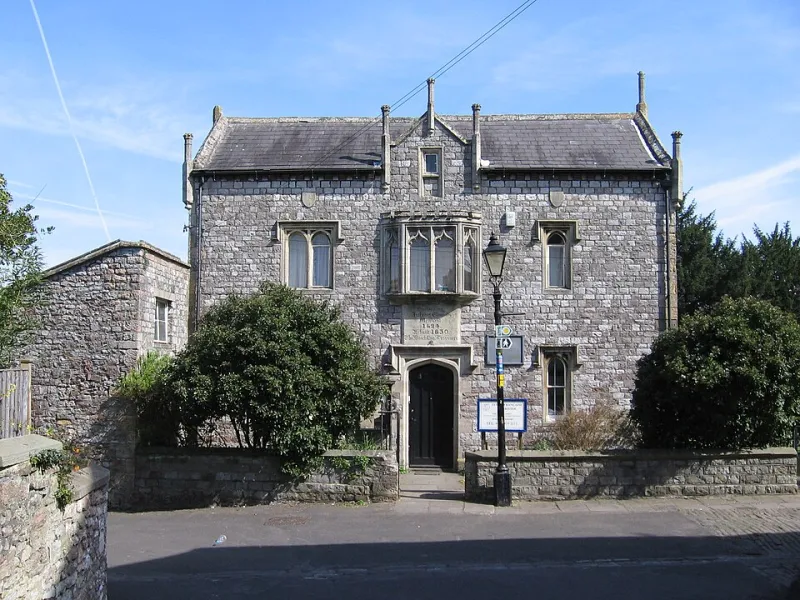
Photo: William Avery, CC BY-SA 2.5, via Wikimedia Commons
A village hall wedding is not a compromise. It is a choice, and a good one. You get space, freedom, local suppliers and a venue that does not charge extra for the word rustic. What you do not get is a styling team who will make it look like a hotel ballroom. That is the point. A community venue should feel like a room full of people you love, not a stage set with the personality switched off.
At Ben Pipe Wedding Photography, I have photographed enough village halls, community centres and marquees to know the difference between a room that works and a room that merely has bunting in it. The best ones are intentional. They are laid out for guests, lit with care and filled with details that actually mean something.
Treat the hall like a room, not a marquee
The first mistake is trying to fill every inch. A village hall can swallow decoration if you let it. You do not need a fairy light canopy over every beam, a sign for every table and a photo display on every wall. You need zones.
Think about how the room will be used across the day. Where do people arrive? Where do they put cards and coats? Where is the bar, the food, the dance floor and the quiet corner for grandparents? Keep a clear route from the entrance to the toilets, because nothing kills a party like a dance floor placed directly in the path of the loos.
If the hall has a stage, use it deliberately. It can be a band spot, a cake table, a photo booth or a children's den. If it has a kitchen hatch, do not hide it. A local caterer passing plates through a hatch is part of the charm. The room will tell you what it wants to be if you stop trying to make it something else.
Lighting is the difference between village hall and village hall after dark
This is the hill I will die on: lighting matters more than bunting. Village halls often have overhead fluorescent lights that make everyone look like they are in a budget office. Ask the hall committee about dimmers, extra sockets and what you are allowed to fix to the walls. Then bring in warm light.
Strings of bulbs along beams, battery table lamps, candles if the venue permits them, and a few uplighters can transform a plain room without covering it in fabric. For 2026, battery-powered LED lamps are genuinely useful: no cables, no tripping hazards, and a warm glow on tables. Just check the colour temperature. You want warm white, not a blue-white glow that makes the cake look radioactive.
And please, do not rely on phone torches for the first dance. A few well-placed warm lights will do more for your photographs than a hundred sparklers. Documentary photography needs atmosphere, not spectacle.
Make the personal bits earn their place
Personal touches are brilliant when they are personal. A table of photographs from grandparents' weddings, a cake made by an aunt, a playlist built from songs that mean something, signs in your own handwriting: these things work because they are true. A generic sign saying Mr and Mrs does not make a room feel like you. It makes it feel like a hire shop.
My rule is fewer, bigger, better. One beautiful memory table beats five small displays. A long table plan with handwritten names beats a wall of tiny cards. If you are naming tables, use local places, pubs, walks or streets that matter to you. It gives guests something to talk about and gives the room a sense of place.
For 2026, I would also make a case for a simple audio guestbook or a voice note station. It is less clutter than a Polaroid guest book and creates something you can actually listen to later. But only if it is positioned away from the bar queue. Every good idea needs a sensible spot.
Keep guests moving, and let the gaps happen
A village hall wedding lives or dies on flow. Put the welcome table somewhere it does not block the door. Make the seating plan easy to find. Keep the bar and the food service apart enough that queues do not collide. If you are using a marquee, think about heaters, flooring and sides before you think about table runners.
Guest flow also creates the documentary moments. The best photographs are rarely the staged ones. They are the kid asleep under a table, the grandmother being helped across the floor, the groom carrying chairs, the friend who quietly sorts the cake. A community venue gives you these moments because it is not too polished to allow them.
So do not over-schedule the room. Leave space for people to gather, wander and make a mess. A village hall should feel like a good dinner party that got slightly out of hand in the best way.
The 2026 details that actually help
Practical details are not boring; they are what make the styling work. Hire proper glasses if you can. Book a local caterer who knows the kitchen. Ask about noise curfews, parking and taxis. If the hall is down a lane, arrange a minibus or a shuttle. Put a basket of cheap umbrellas by the door, because this is the UK and optimism is not a weather plan.
And give yourself a well-lit getting-ready room. A village hall side room with one small window and a stack of chairs is not the place to do makeup. If you need to, hire a local Airbnb or ask a neighbour. Good light in the morning sets the tone for the whole day.
Let the venue be itself
A village hall does not need to pretend to be a country house. Its parquet floor, stage curtains and slightly wonky noticeboard are part of the story. When you lean into that, the room feels warm, generous and completely yours. That is what makes it unforgettable. Not the amount of decoration, but the fact that everyone can see exactly who invited them and why.