Clouds Are Not the Enemy: A Rain Plan You'll Barely Notice
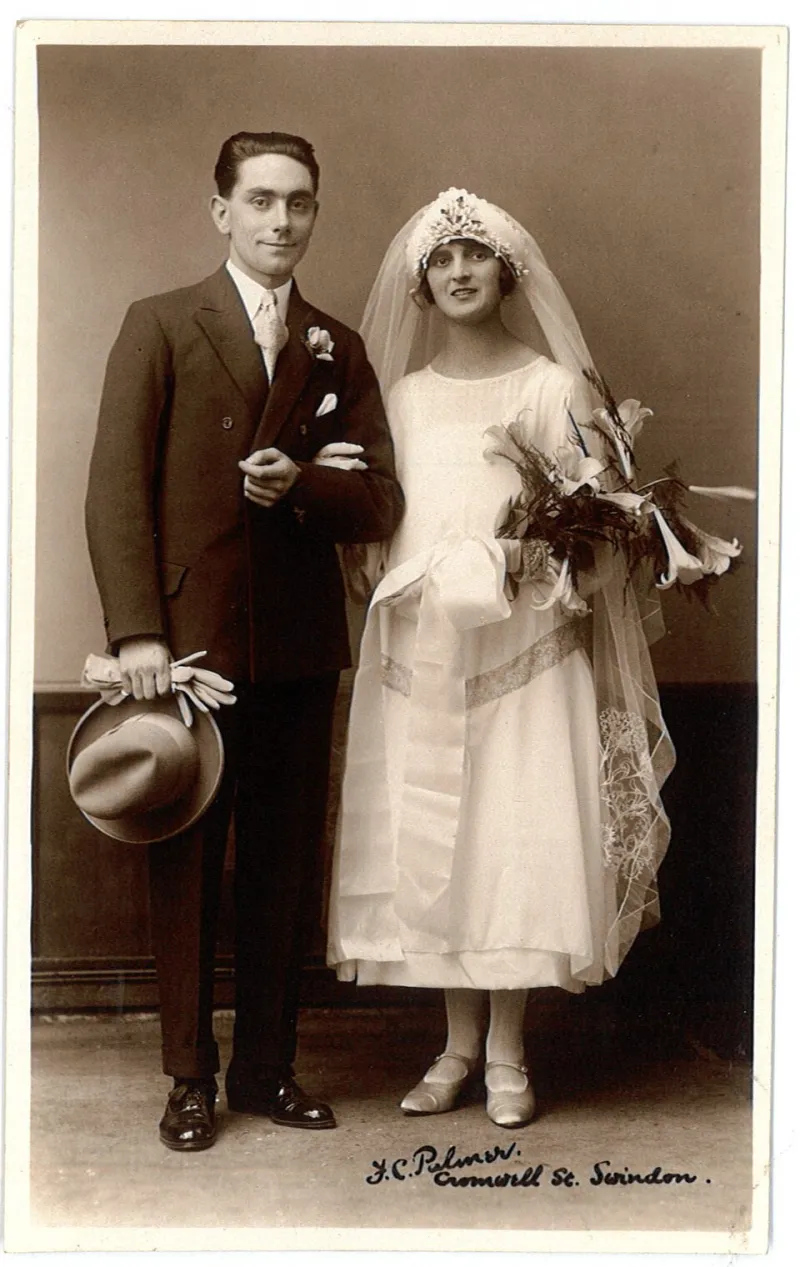
Photo: Fred C. Palmer (died 1936-1939), Public domain, via Wikimedia Commons
UK weddings and rain have a long, affectionate relationship. You can book a marquee for July and still watch a squall roll across the fields while someone's uncle zips up his coat. The answer is not to pretend it won't happen, and it is certainly not to turn your wedding into a logistics meeting. A good rain plan is quiet. It sits in the background, gives everyone permission to adapt, and keeps the day feeling like a wedding rather than a military exercise.
At Ben Pipe Wedding Photography, I photograph real couples in real weather. Some of the most honest frames come from the moments when the forecast changes and everyone simply gets on with it. Here is how to build a rain plan you will actually use.
Start with the rooms your venue already has
When you visit your venue, ask a very specific question: if it rains, where do we actually go? Not just indoors, but where will guests naturally gather, where can we take group photos, and where can the two of you disappear for ten minutes without being followed by a queue of well-wishers?
Most UK venues have more useful spaces than couples realise. A church porch, a barn mezzanine, a hotel drawing room, a marquee with sides, a village hall stage, even a wide conservatory can work. Ask about access, light and capacity. If the ceremony is in one building and the reception in another, walk the wet-weather route. Is there a covered walkway? Can cars pull closer? Are there steps that will turn slippery?
You do not need a perfect backup room. You need two workable options: one for immediate shelter after the ceremony, and one for a short portrait session if the rain settles in. If the venue has a conservatory with soft light and a few chairs, that is often plenty.
Umbrellas, shoes and the bits people forget
A rain plan is mostly small practical things done before the day. Two large umbrellas are better than one tiny one. Clear or neutral umbrellas keep colour natural and let light through, which helps photographs feel like photographs rather than a scene from a disaster movie. Keep them by the door, not in a car park three minutes away.
Think about feet. Wet grass and block heels are not friends. A spare pair of flats, boots or wellies for outdoor photos can save the day, and no one needs to see the swap if you plan it sensibly. Suggest a basket of spare socks or flip flops for guests if your venue has grassy paths. It sounds fussy until the first person squelches past the bar.
Also pack a small drying-off station near the entrance: a towel, a mirror, a lint roller, maybe hairspray and a cloth for glasses. It takes two minutes to set up and stops the entrance hall becoming a mud-and-mascara pile-up. If you are wearing a long dress, ask your venue whether they can put down a mat or runner. Little things like this keep the day moving without anyone announcing a change of plan.
Why overcast light is secretly brilliant
Couples often apologise for grey skies. They should not. Overcast light is one of the most flattering things a documentary photographer can work with. It is soft, even and forgiving. There is no squinting, no hard shadows across faces, and no waiting for the sun to move. Dress details, buttonholes, stone walls and wet foliage all hold their texture beautifully.
Rain also gives you moments you could not stage: umbrellas tilting towards each other, guests huddled on a porch, reflections in puddles, a dash across a courtyard with someone holding the train. These are the frames that feel like the day actually happened. I would take honest cloud over a harsh midday sun most Saturdays.
The key is to use the light you have rather than fighting it. Doorways, covered walkways and large windows become portrait spots. A white umbrella can act as a soft reflector. And if the light drops in the evening, warm strings of bulbs and candlelight can carry the room. You do not need a golden hour to have beautiful photographs. You need a photographer who knows what to do when the sky is doing its own thing.
A realistic timeline that includes drying off
Do not schedule couple portraits for an exact minute immediately after the ceremony. Build in a cushion. Twenty minutes is often enough to greet guests, dry off, sort hair and decide whether to go outside. If the rain is heavy, do the group photos in a covered area and keep them short. People are happier in group shots when they know it is not going to take an hour.
A sensible wet-weather flow looks like this: ceremony ends, guests move to drinks under cover, you have ten minutes to yourselves, group photos happen in one sheltered spot, then couple portraits are either a quick dash or a relaxed indoor session. If a dry window appears later, your photographer can steal you away for five minutes. If not, the day still works.
Tell your photographer your rain plan, but do not over-rehearse it. The best decisions are made on the day when you can see what the weather is actually doing. A plan gives you options. It should not become a script.
The permission slip
A rain plan is really a permission slip. Permission to change the order of things, to wear the boots, to take portraits in a doorway, to let the confetti happen under a porch instead of on a lawn. Guests do not remember whether the sky was blue. They remember whether the day felt warm, relaxed and true to the two of you.
So check the venue's indoor spaces, pack the umbrellas, bring spare shoes and then forget about the forecast as much as you can. Rain does not ruin a wedding. Over-planning it might. The best wet-weather days are the ones where everyone shrugs, laughs and carries on, and the photographs look all the better for it.