Stems in Motion: Letting Wedding Flowers Travel Through the Day
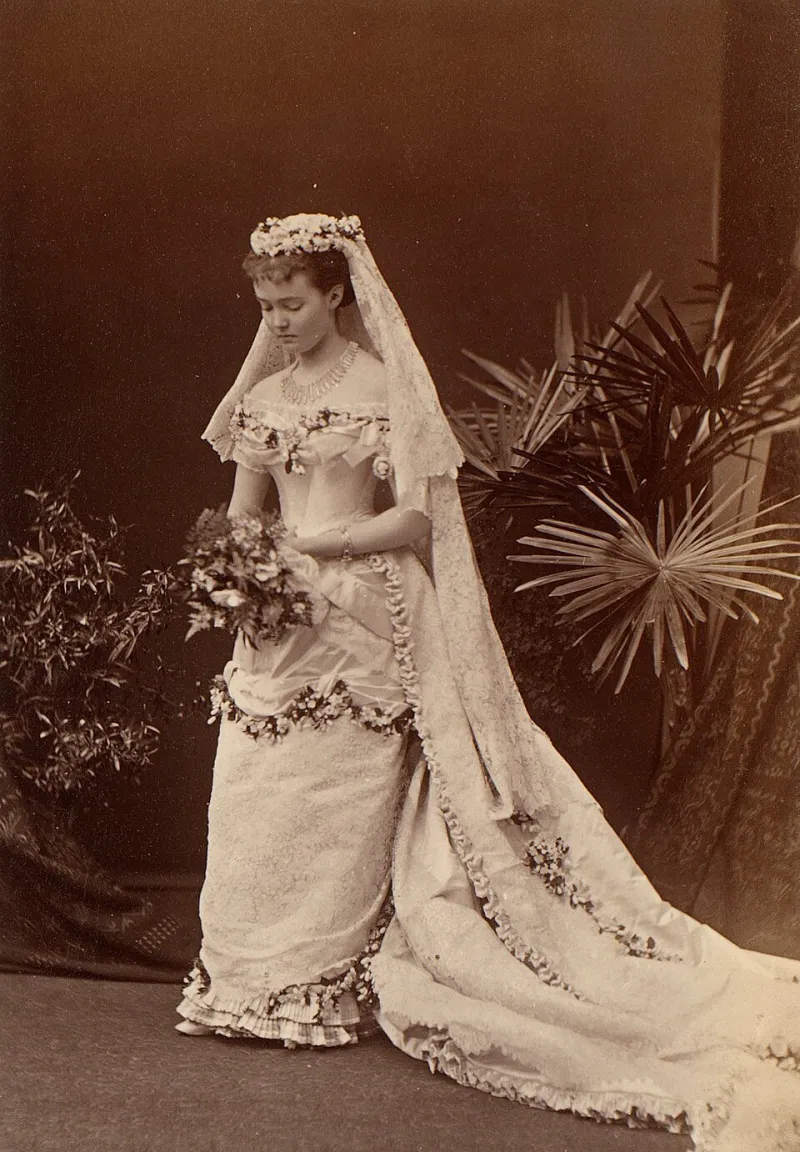
Photo: Unknown authorUnknown author, Public domain, via Wikimedia Commons
There is a version of wedding photography where flowers exist for about four minutes. The bouquet is placed on a chair, arranged just so. A buttonhole is laid on a linen cloth beside a pair of cufflinks. The table plan is photographed before anyone has found their seat. Then the flowers disappear into the day and the camera moves on.
That version can look lovely. It is also a bit like photographing a bicycle by the front door and never showing anyone riding it.
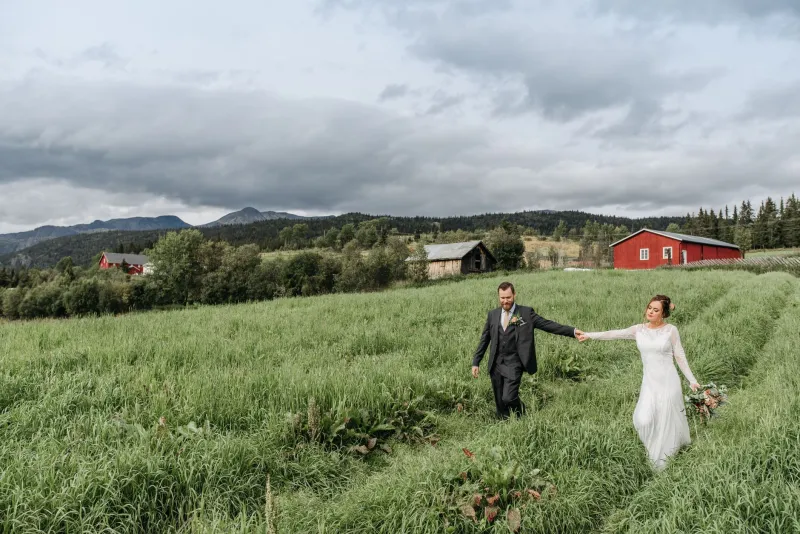
Flowers at a UK wedding are designed to be carried, pinned, squashed, admired, put down, picked up and occasionally rescued from a child with sticky hands. Following them through the day is one of the quiet pleasures of documentary wedding photography — and it usually tells you more about the couple than a perfectly styled flat-lay ever will.
The bouquet is a working object, not a still life
A bouquet is made for movement. It gets held during the ceremony, rested on a knee during the register signing, clutched in group photos, abandoned on a table during the drinks reception and eventually lifted above someone’s head on the dance floor. By the evening it may look slightly battered. That is not a flaw. It is evidence of a day well used.
From a photographer’s point of view, the most interesting floral pictures often happen when the flowers are not the main subject. A bouquet held low against a grandmother’s coat. A buttonhole being pinned by someone’s mum while the groom tries not to flinch. A jam jar of dahlias sitting between two half-finished glasses of Pimm’s. These are not detail shots in the traditional sense. They are context shots. They show how the flowers fitted into the day rather than how they looked before it started.
What British stems bring to the timeline
Seasonality shapes the story in a very practical way. A June wedding may have peonies and sweet peas that open faster than anyone expects. A September celebration might lean on dahlias, cosmos and hydrangeas that hold up beautifully into the evening. Spring tulips can be temperamental in a warm marquee, while scented narcissi and ranunculus bring a different kind of softness. None of this needs to be a problem. It simply means the flowers are living things taking part in a living day.
Venue constraints matter too. A stone church can be cool and dim, making bright blooms glow against old walls. A village hall might have low beams and limited table space, so arrangements become smaller and more inventive. A marquee can get warm by mid-afternoon, which is why many UK florists choose stems that can take a bit of heat and a lot of handling. These are not details to hide. They are part of the texture of the wedding.
Getting ready: the first real floral moment
The getting-ready room is where the bouquet often stops being a delivery and starts being part of the morning. It might arrive wrapped in brown paper, still cold from the van. Someone unties the string. The bride holds it for the first time and does a small, unplanned turn in the mirror. A bridesmaid tries to work out where the buttonholes have gone. There is a brief search for scissors.
Those moments are worth leaving alone. A staged photograph of the bouquet on a windowsill can be pretty, but the more honest picture is often the one taken two minutes later when the bride is holding it while asking whether anyone has seen her lipstick. The flowers are in her hands, which is exactly where they belong.
Ceremony: flowers under pressure
Ceremonies impose rules. Churches have flower guilds and altar arrangements. Register offices may have restrictions on what can be fixed to walls. Outdoor ceremonies depend on the great British weather doing something reasonable. Through all of this, the bouquet usually waits in someone’s lap or on a pew while the couple say their vows.
This is where small floral details can carry a lot of atmosphere. A buttonhole on a nervous groom’s lapel. A posy resting on a hymn book. A single stem tucked into a pocket rather than a proper buttonhole. The flowers are not performing. They are simply present, which is often when they look best.
Drinks reception: where the bouquet lets its guard down
If you want to know what a wedding really felt like, watch the flowers during the drinks reception. The bouquet gets put down — on a table, a chair, a stone wall, the edge of a bar. Children investigate it. Someone’s aunt admires it. A guest who has had a glass of fizz may pose with it. The table flowers become part of the room rather than a centrepiece to be photographed before the plates arrive.
These are the pictures that make a venue feel lived in. A jam jar of flowers beside a half-eaten canapé. A buttonhole lying flat on a table while its owner loosens his tie. A bouquet resting on a bench in the venue garden while the couple have a quiet five minutes away from the crowd. None of this needs directing. It just needs someone paying attention.
Evening: loosened stems and softer light
By the evening, the flowers have usually changed shape. A buttonhole comes off. A bouquet sits on the top table while speeches finish. Table arrangements are moved aside for dancing, or gathered up by helpful guests. In a marquee, candlelight makes everything look warmer. In a barn, fairy lights pick out the texture of the stems. If the flowers were chosen with the venue in mind, they will still make sense at this point.
That is the quiet argument for following flowers through the day rather than photographing them once and moving on. They are one of the few things that appear in every part of the wedding — the morning, the ceremony, the meal, the evening — without anyone needing to organise them. They simply travel with you.
If you are planning your own flowers, the most useful thing you can do is let them be used. Carry the bouquet. Put it down. Let people admire it. Let the buttonholes go slightly crooked. A documentary photographer will find the moments where the flowers are doing their real job, which is not standing still for a camera but moving through a day that belongs to you.