Paws, Leads and the Bit Between: Including Your Dog in a UK Wedding Day Without Losing the Plot
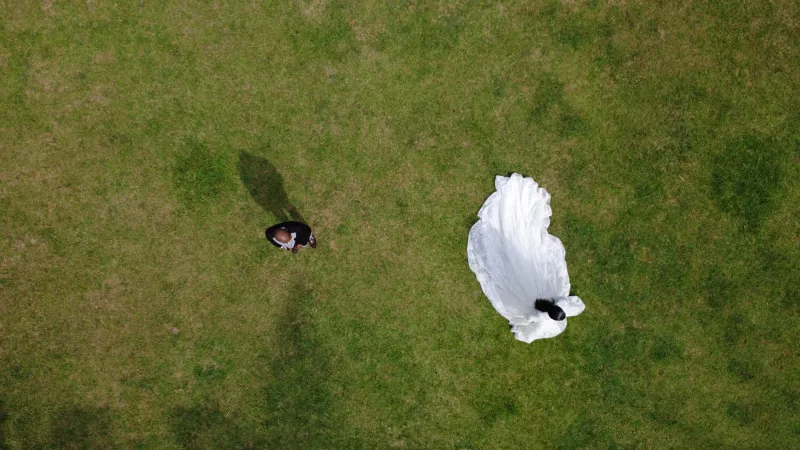
Dogs at weddings are a joy. They are also live animals with their own opinions about confetti, canapés and the correct moment to bark during a reading. If you are planning to include your dog, or a venue dog, the secret is not perfection. It is a bit of forward planning and a willingness to let the day be a little more dog-shaped than you first imagined.
Here is the realistic version, from venue rules to the person holding the lead when you are saying your vows.
1. Check the venue's dog policy before you fall in love with the photos
Start with the boring bit, because it shapes everything else. UK venues vary wildly. Some country houses and barns welcome dogs in the grounds but not in the ceremony room. Some village halls are relaxed. Some churches allow dogs at the back but not at the altar. National Trust and English Heritage properties often have their own rules, and a marquee in a field may be more flexible than a hotel with a smart dining room.
Ask specific questions: Are dogs allowed in the ceremony space? Are they allowed indoors at all? Is there a charge? Are there any breed or size restrictions? Where can the dog toilet? Is there a resident venue dog who might not fancy a guest? And what happens if the dog needs to leave early?
Get the answers in writing if you can. It is much easier to plan around a firm 'no dogs in the dining room' than to discover it on the morning of the wedding.
2. Decide who is actually holding the lead
This is the big one. 'Someone will hold the dog' is not a plan. Pick one person, ideally someone who knows the dog well, is not in the bridal party and is happy to miss a few bits of the day. A sibling, a close friend or a dog-sitter who already has a relationship with the dog is ideal.
Have a backup person too. Weddings have a way of rearranging themselves, and the person who was definitely going to be free may end up helping with a buttonhole crisis.
If the dog is part of the procession, rehearse it. A short practice walk down the aisle, with treats and a familiar lead, is worth more than a hundred instructions. If the dog is not walking down the aisle, position the lead holder near the back or at the end of a row so they can slip out quietly if needed.
3. Build a dog-shaped timeline, not a human one
Dogs do not care that the speeches are running late. Their bladder, energy levels and tolerance for crowds are on their own schedule. Build the day around them where you can.
A good walk before the ceremony is essential. A tired dog is usually a calmer dog. Plan a toilet break after the ceremony, before group photos take over. Make sure there is water, shade and a quiet space away from the noise. If it is a warm day, avoid the midday sun and keep a towel and a bowl handy. If it is a wet UK day, embrace the fact that a damp dog will probably end up in at least one photograph.
Think about the evening too. Will the dog stay for the meal? The dancing? Or will someone take them home after the photos? Many couples find that a dog-friendly afternoon and a dog-free evening works best. The dog gets the best bits without the late-night noise, and you get to relax.
4. Let the photographer photograph a dog, not a prop
The best dog photographs are rarely the ones where everyone is staring at the camera. They are the ones where the dog is sniffing a bouquet, stealing a sausage roll, shaking after a puddle or falling asleep under a chair. Those are the pictures that feel like your dog.
So do not schedule a twenty-minute dog portrait session. Give the photographer a few minutes here and there, and then let the dog be a dog. If you want one nice formal picture with the dog, fine. Do it early, keep it short, and have treats ready. Then let them go.
A good documentary photographer will work around the dog rather than asking it to perform. The lead can be held out of frame. The dog can be on a lap. The dog can wander into the background of a quiet moment. Those are often the keepers.
5. Venue dogs and borrowed dogs
If the venue has a resident dog, ask staff before you plan any photos with them. A venue dog may be lovely, but they might also be old, shy or thoroughly bored of wedding guests. Never assume they want to be picked up, dressed in a bow tie or included in the ceremony.
If you are borrowing a dog for the day, the same rules apply, but more so. The dog needs a handler who knows them, a quiet place to retreat to and a clear plan for going home. A borrowed dog is not a prop. They are a guest with four legs and a very limited patience for group photos.
6. The bits people forget
Pack a small dog kit: water bowl, bottle of water, poo bags, treats, a towel, a familiar blanket, a spare lead and any medication. Make sure the dog is microchipped and wearing a tag with a current phone number. If you are travelling far, note the nearest vet. It sounds overly practical, but it is the difference between a relaxed day and a stressful one.
Also brief the people who will be around the dog. Tell them what the dog is like with crowds, children and other dogs. Ask them not to feed it canapés, however much it asks. And make sure the lead holder knows where to go if the dog needs a break.
7. When it goes wrong, it often makes the best picture
A dog barking during the vows, running through confetti or stealing a bread roll is not a disaster. It is a wedding. Those moments are often the ones people remember with a laugh, and they are exactly the kind of honest, unposed photographs that documentary wedding photography is for.
So plan the practical bits, choose the lead holder carefully, and then let the dog be part of the day. The photographs will be better for it, and so will the stories.