The Lights Go Down, the Story Keeps Going: Evening Reception Photography That Doesn't Take Over

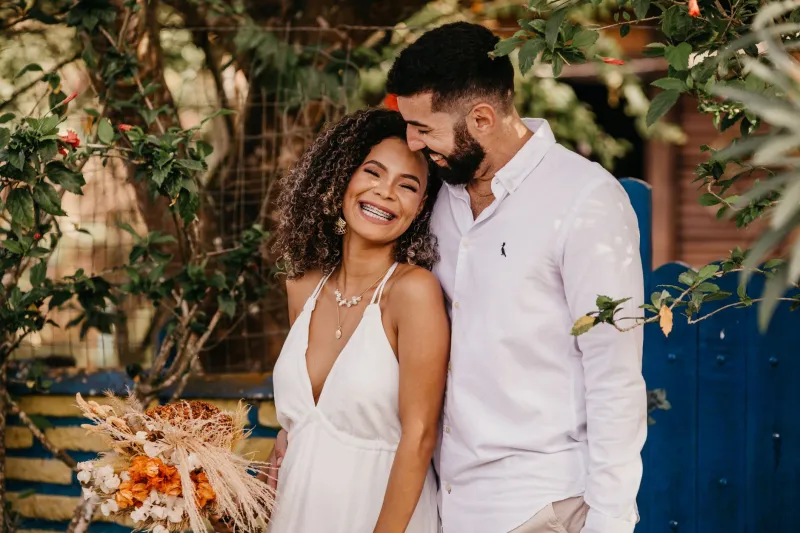
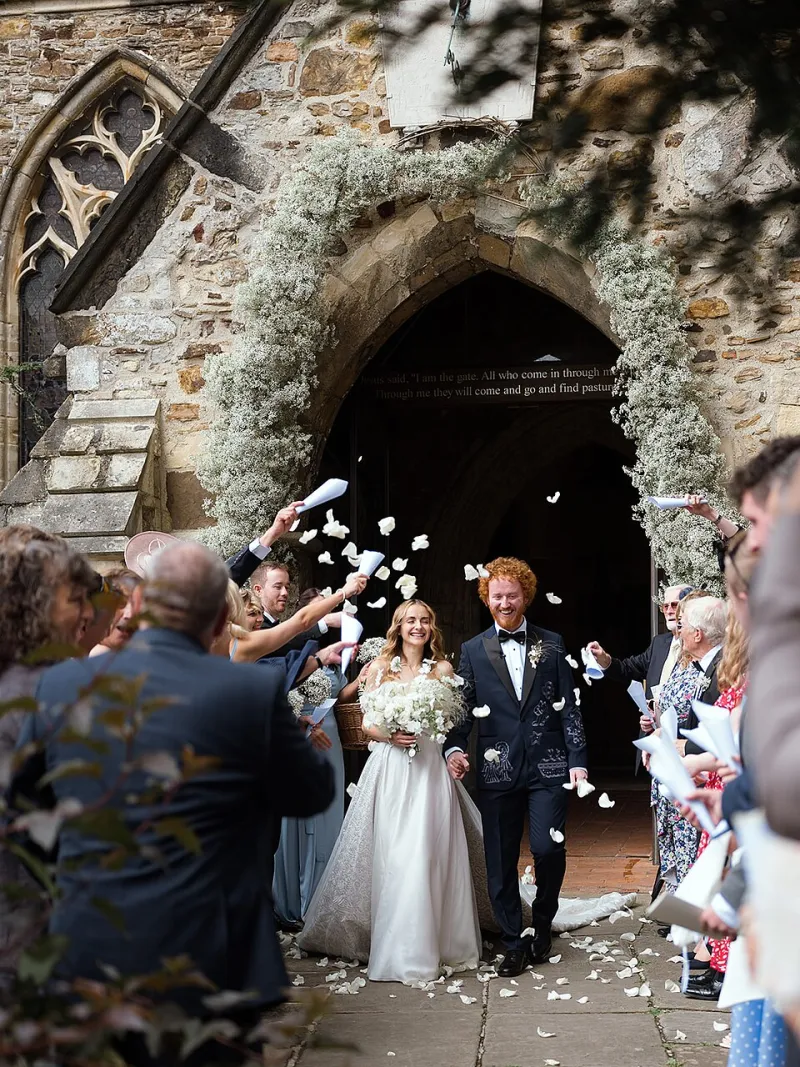
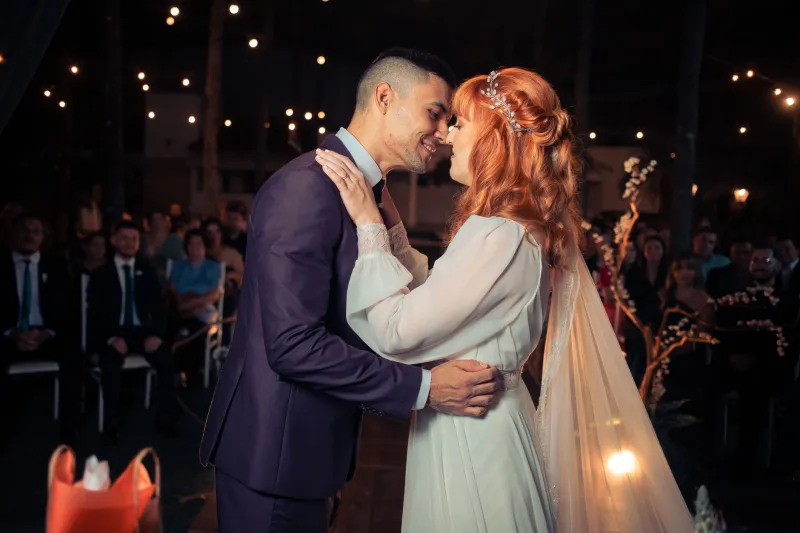
Photo: candid wedding evening reception dance floor warm string lights UK documentary photography, via candidteens.net
The evening reception has a reputation for being the bit after the bit that matters. Ceremony done, meal eaten, speeches survived. But ask most couples what they remember from the last few hours of their wedding and you will usually get a grin, a story about a reluctant uncle owning the dance floor, or a fuzzy account of the last song. The evening is not an afterthought. It is half the story.
It is also the part of the day where documentary photography has to work hardest. The light drops, the room fills up, the music gets louder and everyone stops behaving quite so politely. A photographer who relies on direct flash can turn a brilliant moment into a set of startled rabbits. A photographer who disappears into the crowd can miss the moment entirely. The sweet spot is somewhere in between, and it is much easier to reach when you have thought about it before the band starts.
Start With the Room, Not the Flash
Before you worry about first dances or sparkler exits, ask your venue one simple question: what happens to the lights when the evening begins? Some rooms have lovely warm lamps and a dimmer that keeps a bit of atmosphere. Others plunge into near-darkness and expect the DJ to provide the only illumination. Neither is wrong, but they need different approaches.
If your venue has uplighters, festoon lights or a bar area that stays softly lit, use them. A little ambient light goes a long way. It lets your photographer capture faces and expressions without firing a flash every few seconds. If the room is genuinely dark, a photographer can still work with fast lenses, careful timing and a small amount of bounced flash, but it helps to know in advance. Ask the venue whether the band or DJ brings their own lighting, and whether they can keep the dance floor lit rather than turning it into a laser show. You do not need to stage-manage the lighting plot. You just need to avoid a total blackout.
The First Dance Doesn't Have to Be a Performance
There is no law that says your first dance must happen at a set time, with every guest arranged around the floor and a spotlight on your faces. Some couples love that. Others would rather have a quick dance together while the room is still relaxed, then let the band take over.
Think about what you actually want to feel. If being watched makes you want to hide behind the cake, consider doing your first dance earlier, perhaps just before the evening guests arrive, or straight after the cake is cut. It can be a short, private-feeling moment with the people who have been there all day, rather than a big production. If you are having a live band, ask them when they prefer to start and how they usually handle the first dance. A good band will have done it hundreds of times and will not be precious about it.
The documentary approach works best when you are not being asked to perform. Your photographer can capture the first dance without turning it into a photoshoot, and then slip back into the crowd. The best images often come a few songs later, when everyone has stopped watching you and started dancing badly.
A Short Brief for the Band and DJ
You do not need to give the band a lighting masterclass. A quick, friendly note is enough. Ask them to keep the dance floor reasonably lit, to avoid strobes that make everyone look like they are in a nineties music video, and to let your photographer know if they are planning a big moment such as a confetti cannon or a sudden blackout.
If the band invites guests onto the floor, brilliant. If they want a circle for a ceilidh or a big group song, also brilliant. Your photographer can work around that. What they cannot work around is a lighting rig that turns the room into a cave. A short conversation before the evening starts saves a lot of squinting later.
Flash Is a Tool, Not a Tax
Some couples worry that flash will make the evening photos look like a school disco. It can, if it is used badly. Used well, a bit of flash is just a way of keeping the colour and energy of the room without losing everyone to murky shadows. The key is not to treat every guest as a subject. Documentary photography is about catching what is already happening, not asking people to pause and smile.
If you are worried about feeling watched, tell your photographer. A good one will work from the edges, use the light that is already there, and only step in when a moment needs a little help. You can also tell your guests to ignore the photographer. Most people relax once they realise they are not going to be lined up against a wall.
Sparklers, Confetti Cannons and Other Big Finishes
A sparkler exit can be gorgeous. It can also be a logistical headache if it is left to the last minute. Check with your venue first, as many UK venues have rules about naked flames, and some will only allow sparklers in a specific outdoor area. Buy more sparklers than you think you need, keep a bucket of water nearby, and nominate someone sensible to hand them out and light them.
Timing matters. If you want sparklers, do them before the night gets too loose and while there are still enough people standing upright to make a decent line. Your photographer will need a few minutes to get everyone in place, so build that into the plan. The same goes for a confetti cannon or a late-night outdoor moment. A little warning helps everyone, including the venue staff.
Leave Room for the Last Hour
The best evening photographs are rarely the ones you planned. They are the shoes kicked off by the bar, the grandparents having a slow dance, the bridesmaids singing at the DJ, the quiet chat on a sofa while the room spins. You cannot schedule those moments, but you can leave space for them.
Try not to fill every minute of the evening with a structured event. Give yourselves half an hour of nothing but dancing and chatting. Let your photographer stay for the messy, joyful bit before the lights come up. If you want a final shot of the two of you at the end of the night, plan it with the venue and keep it short. The last hours of a wedding should feel like the first ones: relaxed, a bit giddy and completely yours. The photographs will follow.